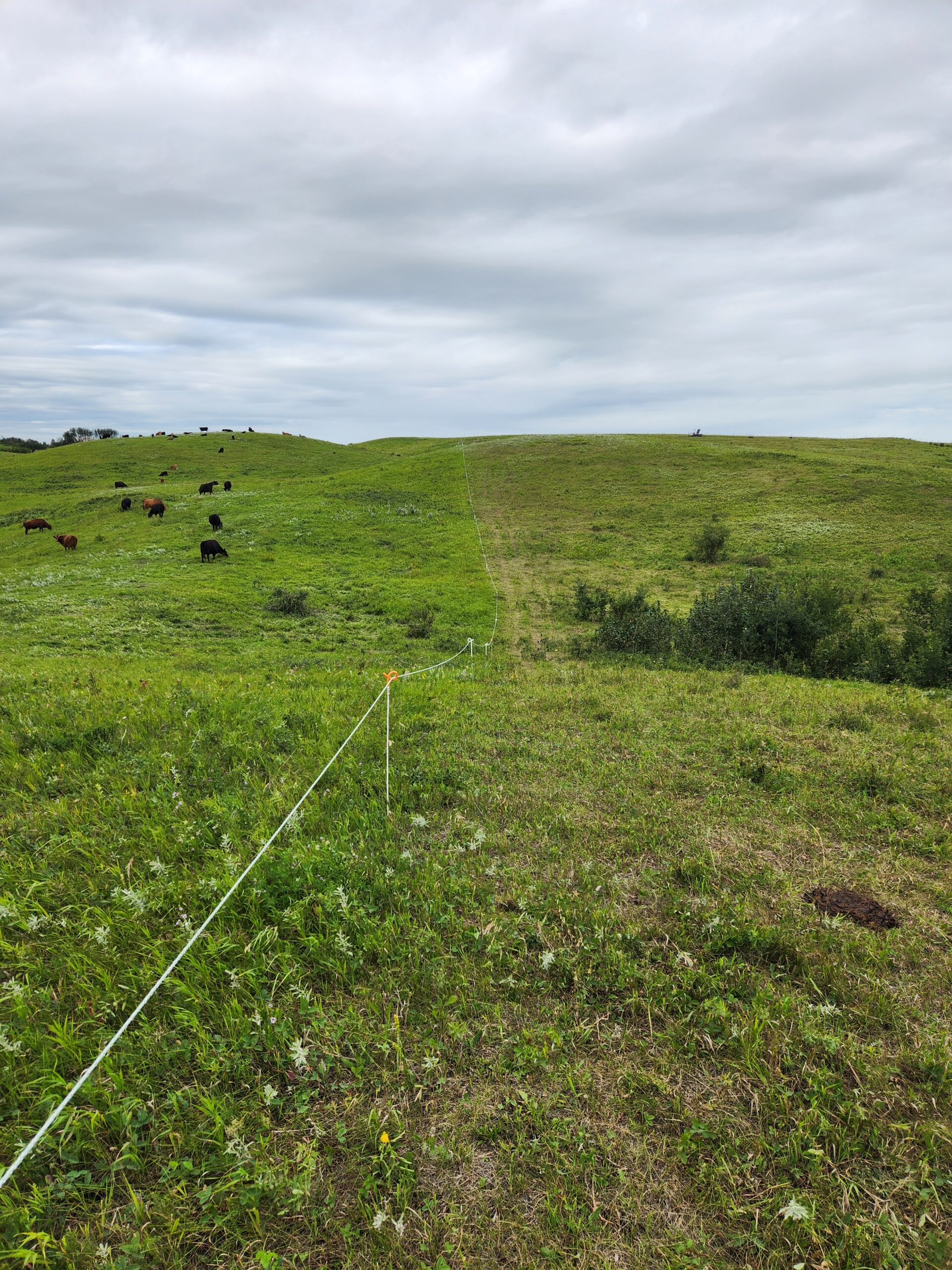
Grasslands are essential to Canada’s beef sector, but their value extends well beyond forage production. Many grasslands have evolved with natural disturbances such as grazing and fire, which help shape plant communities and maintain grassland habitat. Native grasslands are among the most endangered ecosystems, with conversion being a major threat to their survival. As shown through metrics in CRSB’s National Beef Sustainability Assessment, grassland landscapes can also store significant carbon in the soil, support wildlife and biodiversity, regulate water cycling, and provide other ecosystem and environmental benefits. Understanding how grazing affects these functions is important for assessing the environmental footprint of beef production and the wider value of grasslands.
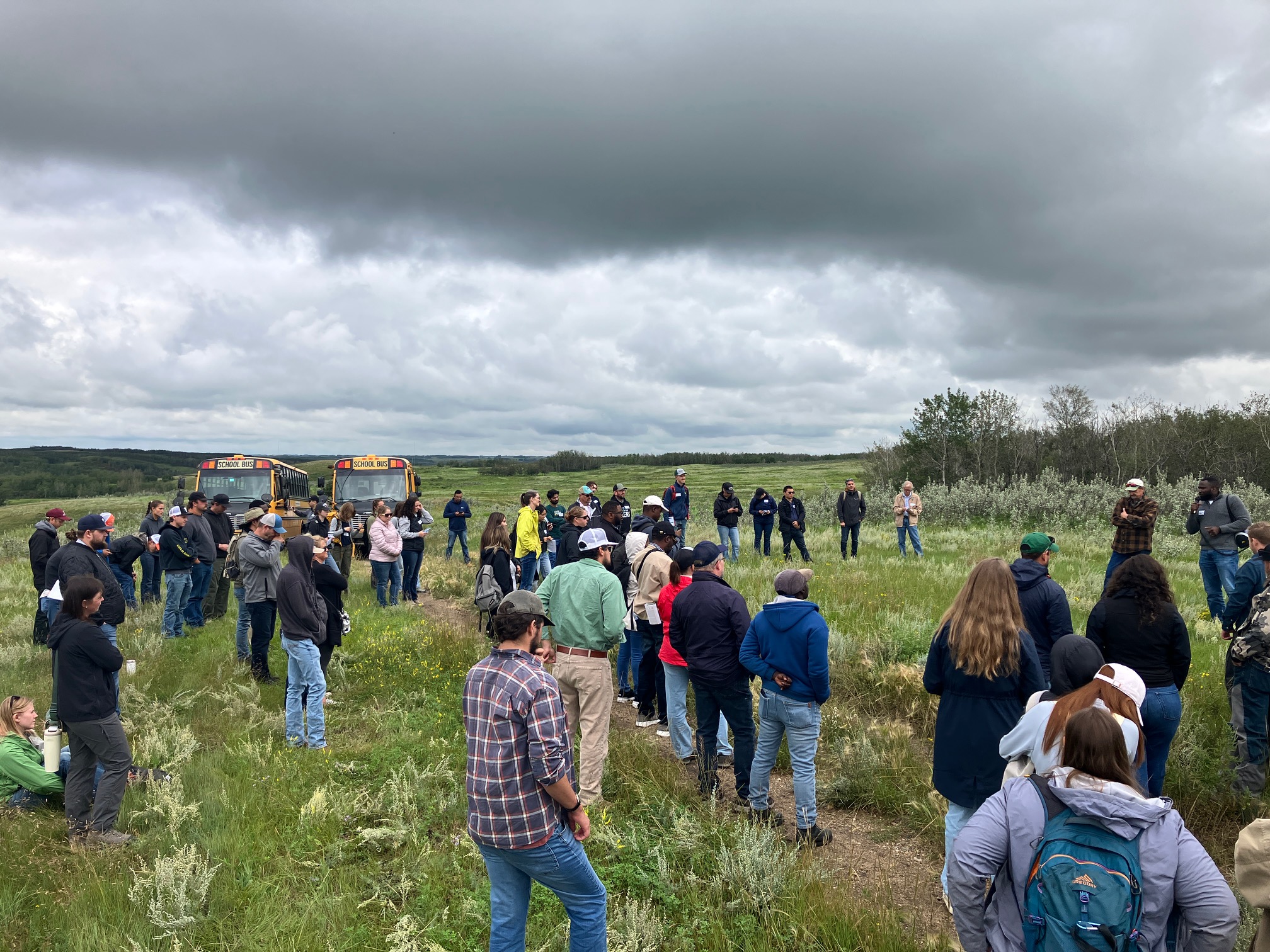
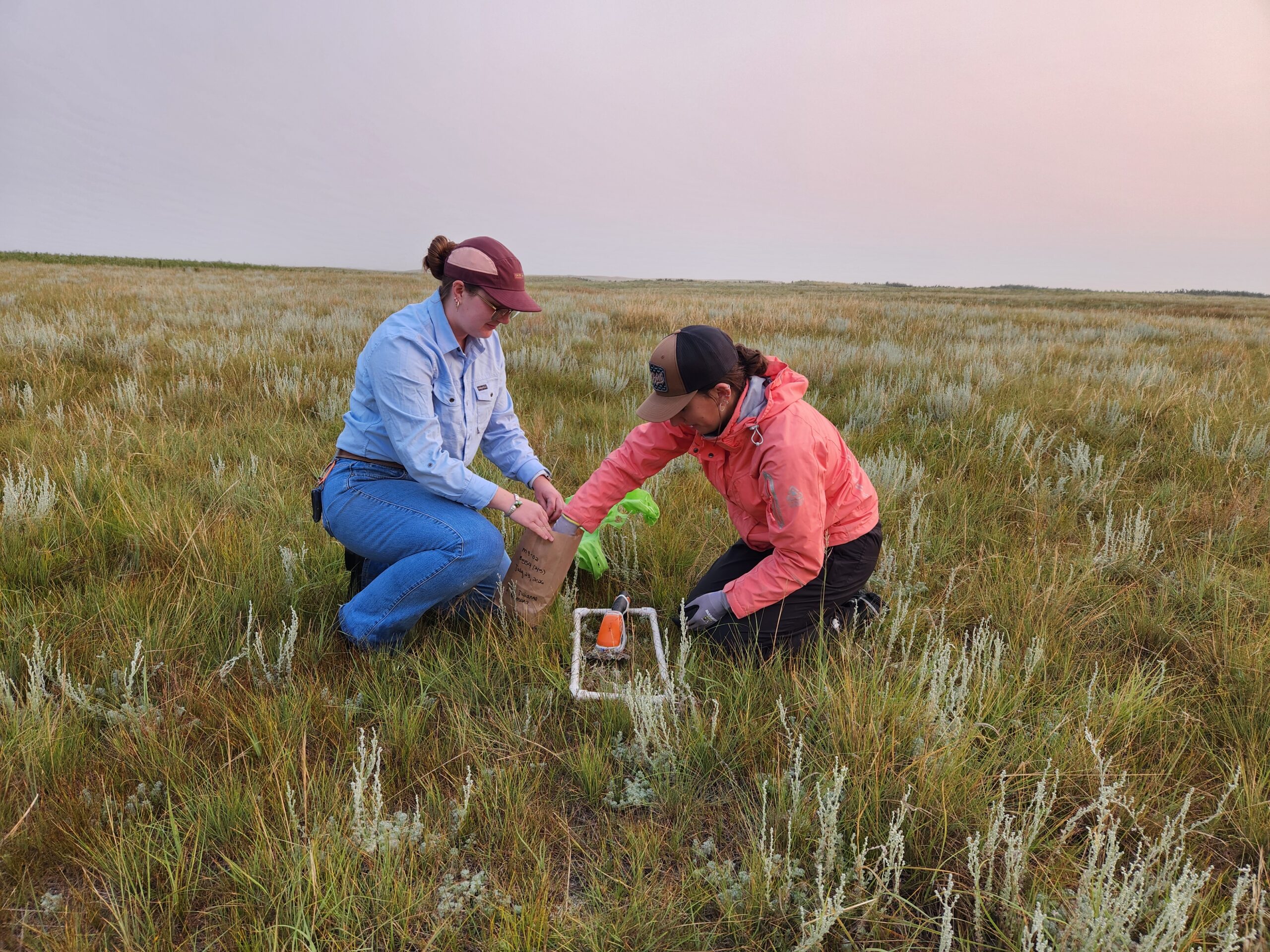
The CAT-G Project is the largest grazing research experiment in temperate climates – a collaborative research initiative focused on developing and promoting climate-smart grazing practices for Canada’s grasslands and livestock sector. The project is conducting field-based research across the Prairie Provinces examining how different grazing practices affect soil carbon, greenhouse gas (GHG) emissions, grassland health, and cattle productivity. CAT-G brings together researchers, producers, land managers, and policymakers to ensure that the research reflects real-world conditions and can be applied on the ground.
CAT-G builds on established grazing research and producers’ practical experience while bringing together disciplines often studied separately. CAT-G builds on this knowledge by combining large-scale, controlled grazing experiments with research across Living Lab sites and working ranch landscapes in Alberta and Saskatchewan. This allows researchers to study grazing responses under experimental conditions while exploring how findings relate to the variability of real-world operations. Rather than assuming one approach is universally better, CAT-G investigates how and why outcomes differ across sites and conditions. The research spans approximately 1,200 hectares across two main experimental sites, complemented by working ranch landscapes in Alberta and Saskatchewan.
“What excites us most is the opportunity to study grazing as a connected biological and production system, rather than treating each outcome as a separate problem. A grassland is shaped by interactions among plants, soils, microbes, animals, climate, and management, which influence not only forage and cattle performance, but also carbon cycling, GHG emissions, biodiversity, and the ecosystem functions and services that healthy grasslands provide. Understanding those connections is scientifically challenging, but it is also where some of the most useful insights may emerge.”
~ Dr. Majid Iravani, Applied Research Scientist | Research Project Manager – College of Natural and Applied Sciences | University of Alberta
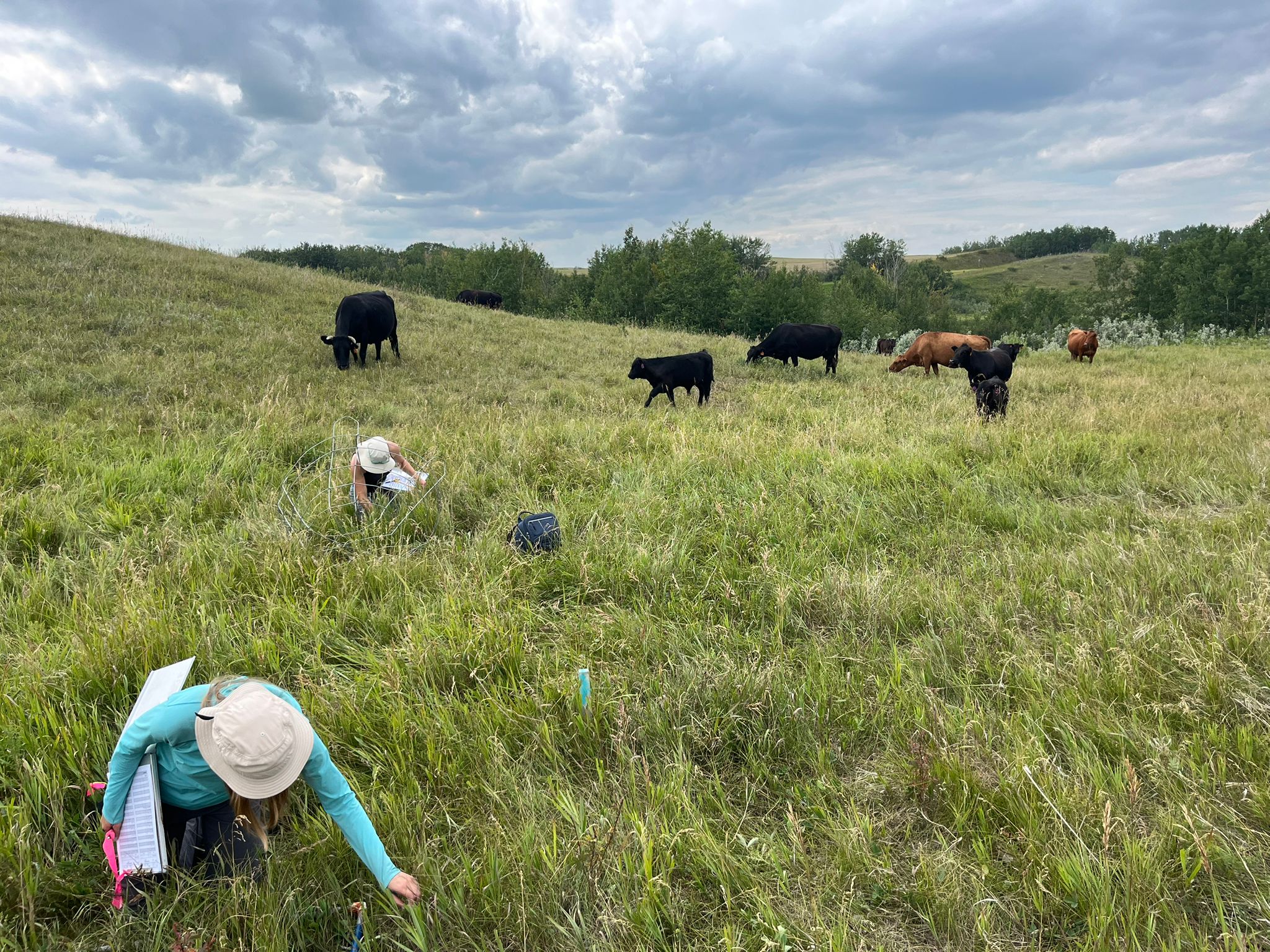
Key activities include testing and evaluating grazing practices, monitoring soil carbon and GHG emissions, assessing impacts on grassland and cattle productivity, and developing practical information, tools, and management recommendations for producers and land managers.
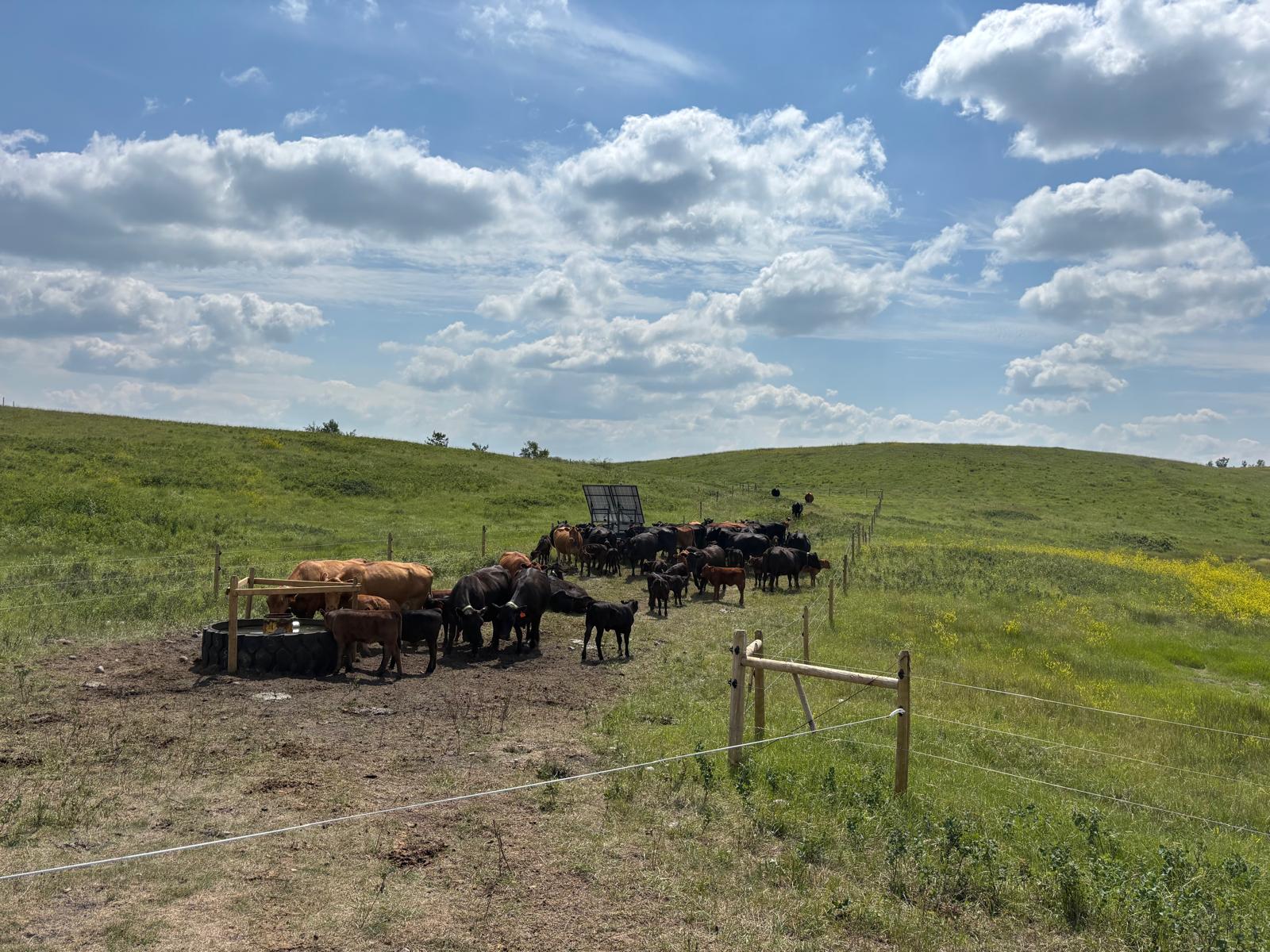
Grazing has long been part of grassland ecology. Today, approaches such as adaptive multi-paddock grazing (AMP) aim to manage cattle movement and allow grazed areas time to recover. A key knowledge gap exists on whether AMP grazing leads to changes in grassland systems over time compared with continuous grazing. By studying grazing on experimental sites and working ranches, CAT-G is helping build a clearer picture of what happens to the land, the cattle, and the environment under different conditions.
CAT-G will translate research findings into practical knowledge to support the adoption of climate-smart grazing practices across Canada. Expected outcomes include improved grassland management, increased soil carbon storage, reduced GHG emissions, greater resilience of grassland ecosystems, and continued productivity and economic viability of livestock operations. In the long term, the project will contribute to Canada’s climate goals while supporting the sustainable management of the country’s remaining grasslands.
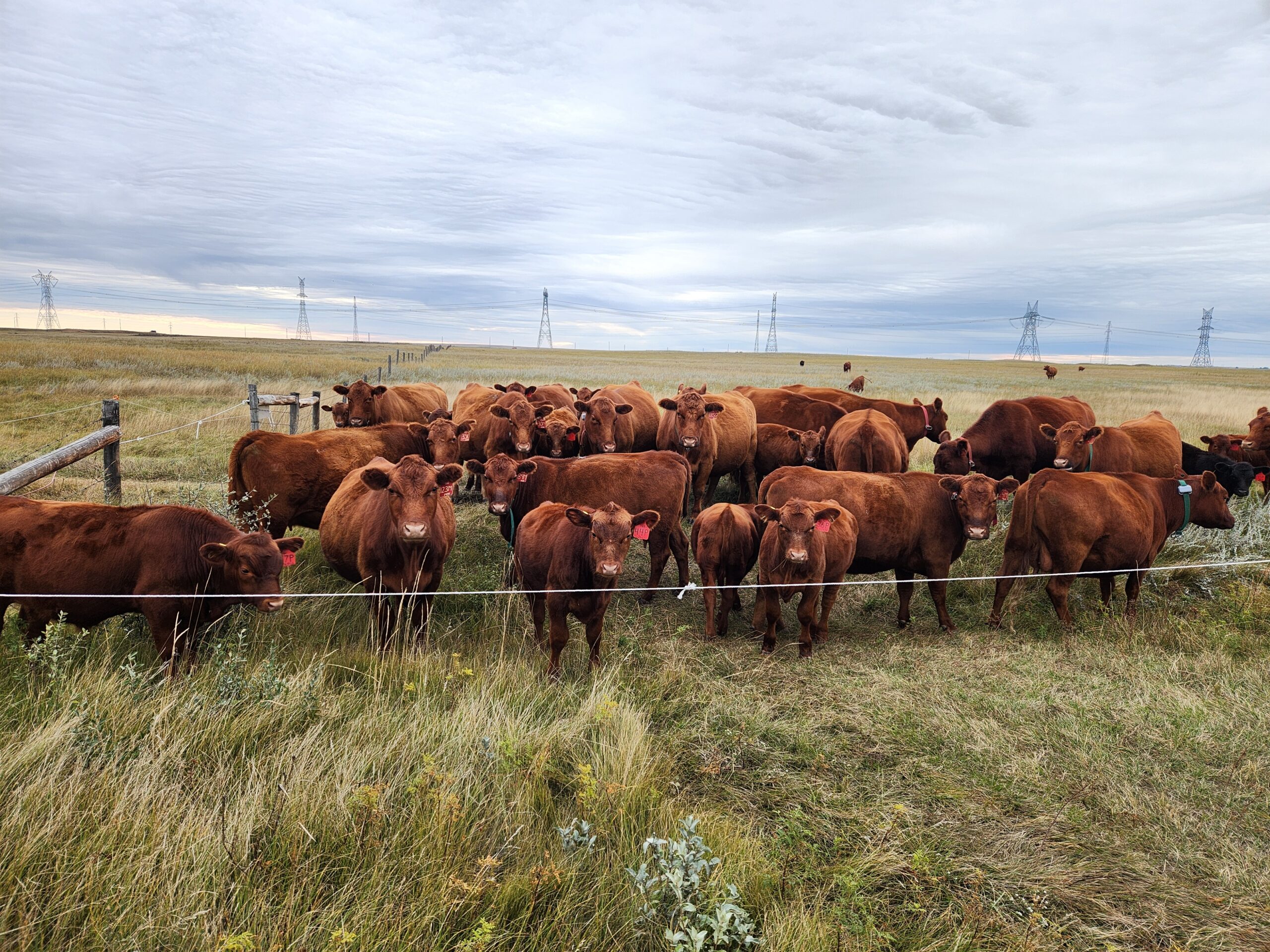
While the research is ongoing, several important insights have already emerged. Researchers have completed baseline sampling and analysis, implemented two years of grazing treatments, and collected thousands of soil, plant, forage, and animal samples across experimental sites and partner ranches. Early findings from the Mattheis field site suggest that adaptive multi-paddock grazing did not reduce cattle performance and left more forage available at the end of the grazing season than conventional grazing. Preliminary observations have also pointed to the potential for lower methane emissions under AMP grazing, although additional data are needed to understand how consistent these patterns are across sites and years.
Over the next five to ten years, CAT-G is aiming to help establish a more integrated understanding of how grazing management shapes grassland ecology, climate-related outcomes, and cattle production. This integrated approach will help better understand when different goals can be advanced together, when trade-offs must be managed, and what evidence is needed to make those decisions with confidence.
Practical recommendations will need to reflect the strength of the evidence, local conditions, and the costs and feasibility of adoption. CAT-G’s goal is to build a stronger foundation for decision-making that balances grassland ecology with the realities of beef production.
*The project’s impact extends across several priority areas of the National Beef Sustainability Strategy. By examining soil carbon, greenhouse gas emissions, biodiversity, grassland health, cattle performance, and producer decision-making together, CAT-G reflects the interconnected nature of sustainability in Canada’s beef sector. Through this work, CAT-G contributes to CRSB priority areas including GHG emissions and carbon, land use and biodiversity, producer economics, and collaboration across the sustainability community.
 This research was conducted under the Climate Action Through Grazing (CAT-G) Strategic Alliance Agreement, Combining Omic Technology and Grassland Management to Enhance Soil Carbon Sequestration and Reduce Greenhouse Gas Emissions, co-led by Carolyn Fitzsimmons and James Cahill.
We acknowledge funding and support from Genome Canada and Genome Alberta (Grant #C22GRS); the Governments of Canada and Alberta through the Sustainable Canadian Agricultural Partnership, delivered by Results Driven Agriculture Research (Grant #2023G1491R); the Governments of Canada and Saskatchewan through the Sustainable Canadian Agricultural Partnership and Agriculture Development Fund (Grant #20240659); and the University of Alberta (Grants #RES0066503, RES0066504, RES0066506).